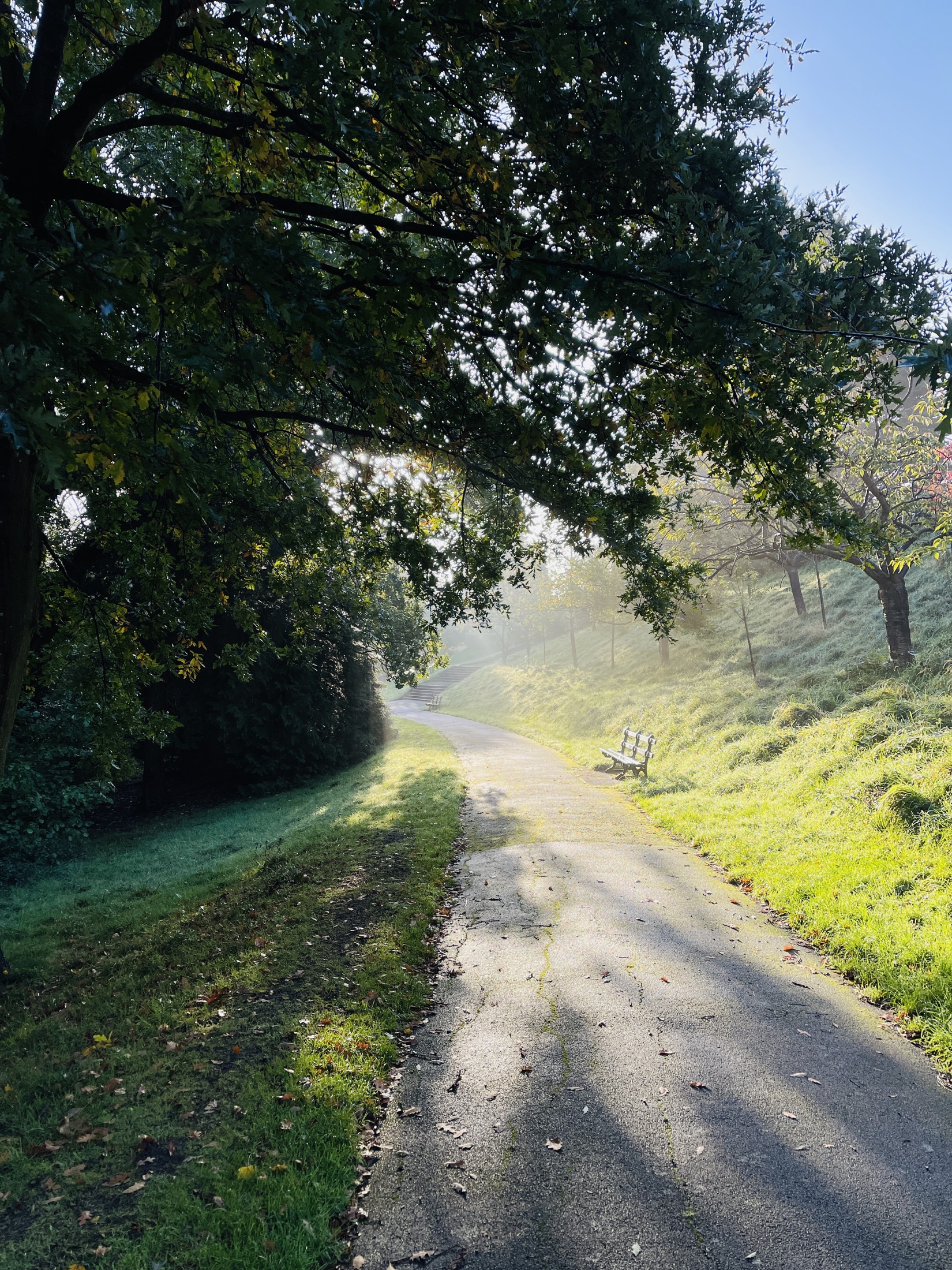
Alexandra Park in Penarth is one of those places I often pass through on the way somewhere else, and then somehow stop anyway. There are benches, steps, fish, clipped bushes, a bandstand, and enough steep paths to make a short walk feel like a small moral achievement.
For drawing, it is almost annoyingly useful. There are subjects for any mood: big old trees when you want structure, blossom when you want colour, topiary when you want something slightly absurd but well behaved, and side paths when you want to pretend you are not avoiding emails.
The park was laid out in 1901-1902 and is usually described as Penarth’s first public park. Its opening was tied to the 1902 coronation of King Edward VII and Queen Alexandra, though the coronation itself had to be postponed when the King needed surgery. Penarth, sensibly or stubbornly, went ahead with the park. A coronation can wait, apparently. A useful hill with paths, benches, and municipal optimism cannot.
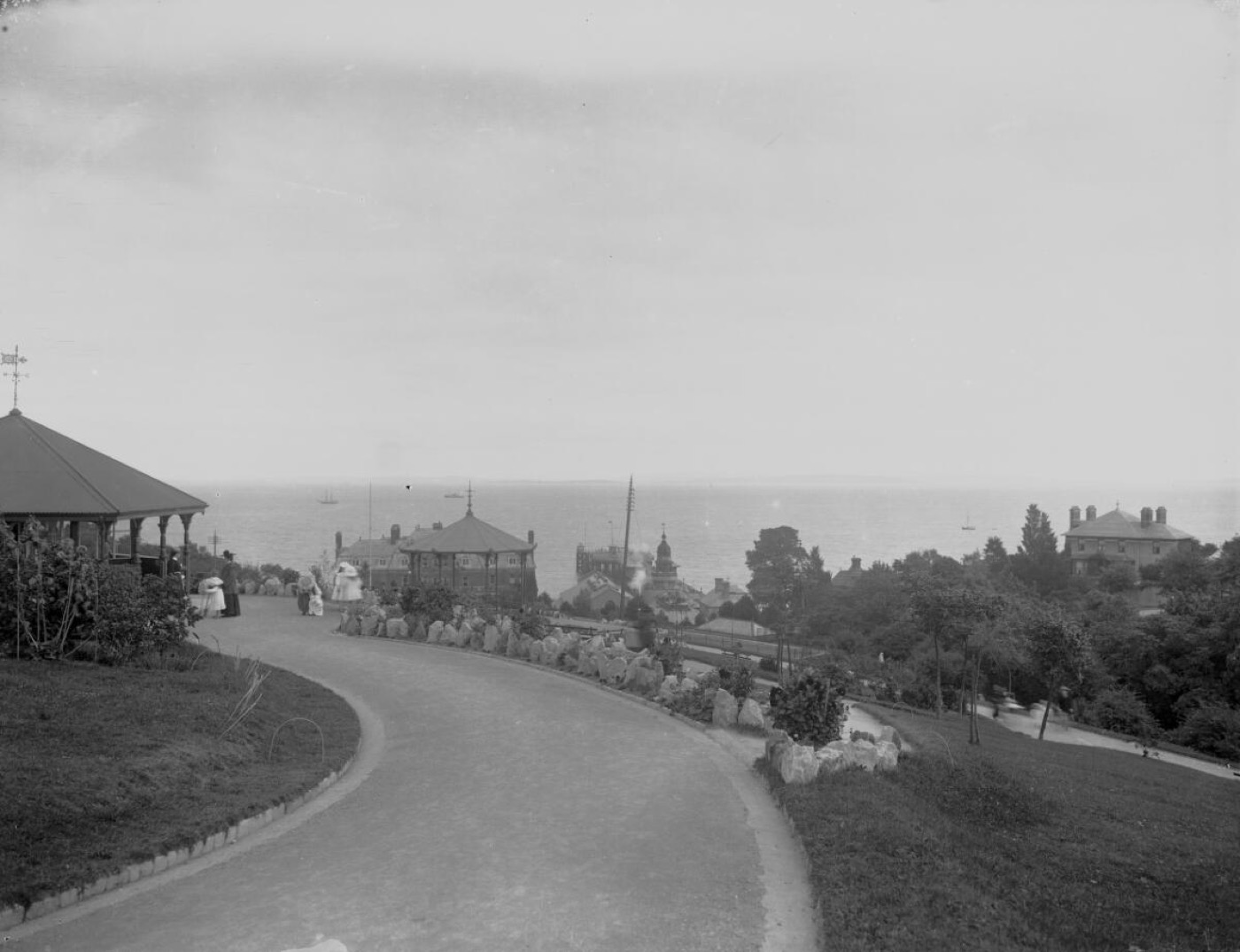
Historic image: Alexandra Park; Penarth, circa 1905, photographed by Martin Ridley. Martin Ridley Collection, National Library of Wales, via Wikimedia Commons. Public Domain Mark.
.jpg)
That slightly improvised feeling is still one of the best things about it. Alexandra Park has never settled into one tidy personality. In the 1920s, the Cenotaph, Garden of Remembrance, and topiary were added, so the park gained another layer: formal, careful, clipped, commemorative. Then you turn a corner and suddenly it is all trunks, shadows, wet leaves, and trees growing in every possible direction, as if nobody sent them the memo.
Historical notes from the Vale of Glamorgan Council, Parks & Gardens, and People’s Collection Wales.
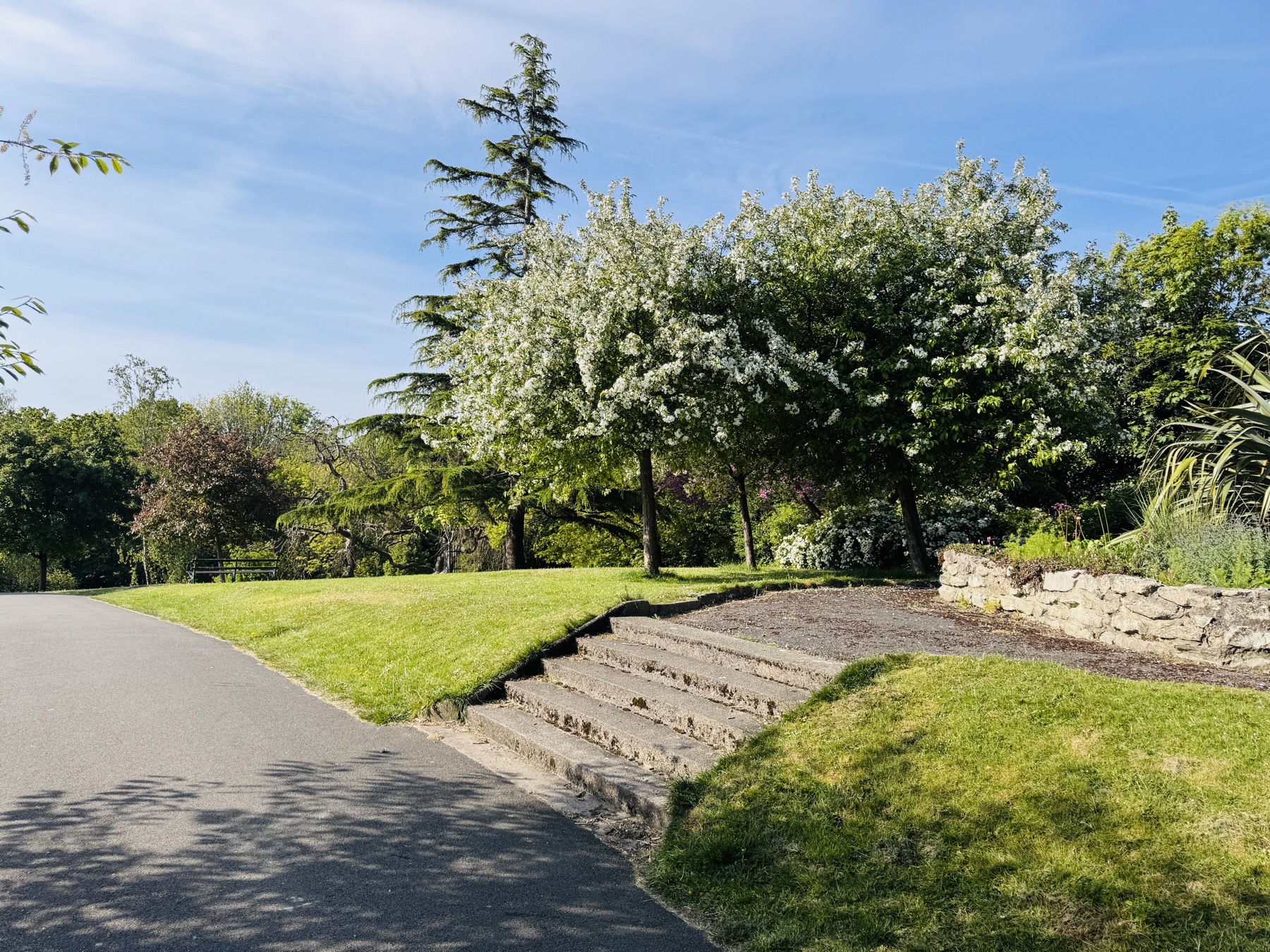
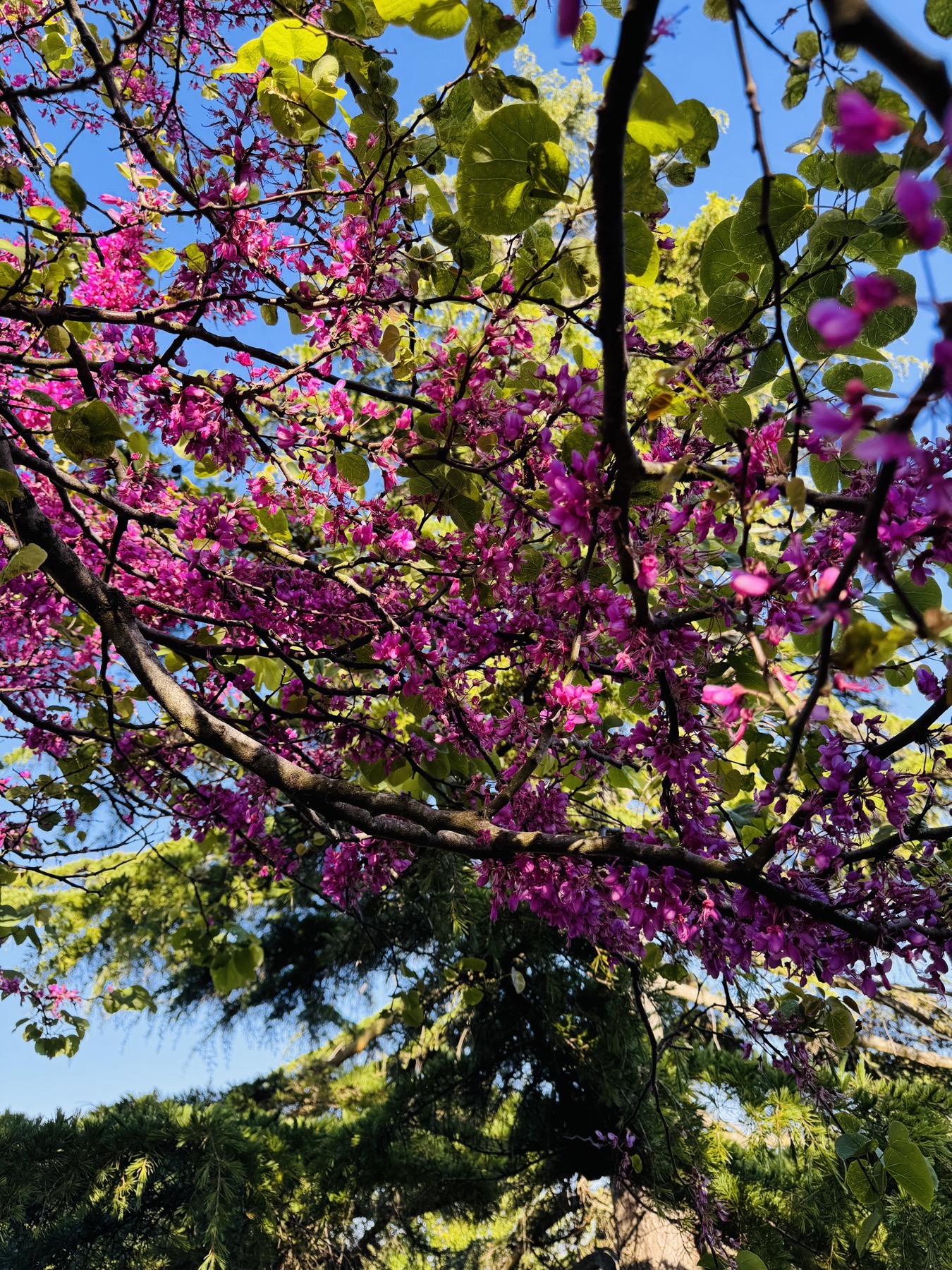
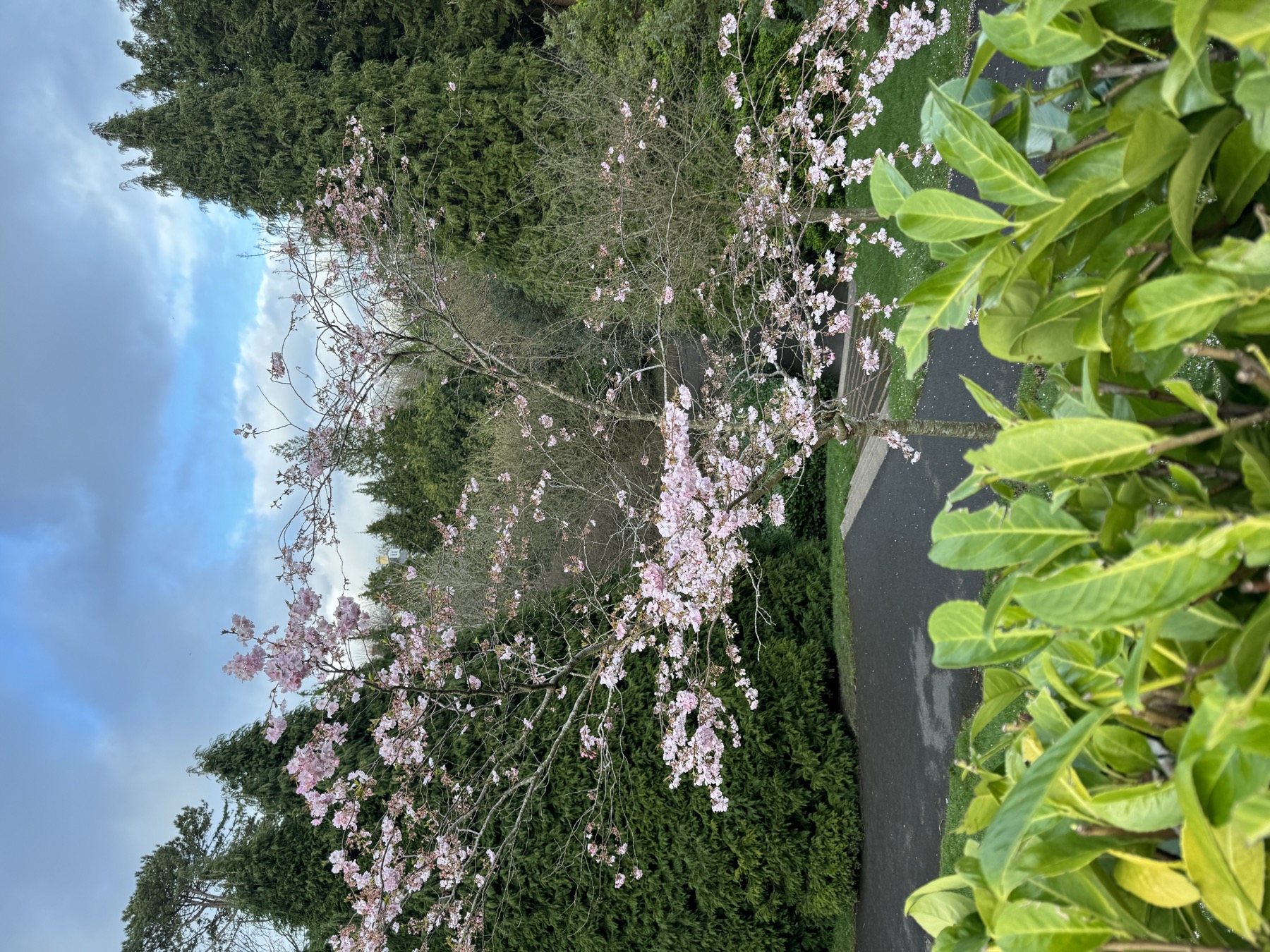
In spring, the blossom does a lot of the work. Pink, white, yellow, green, suddenly everywhere. The park is not subtle about it. It goes from bare branches to full theatre with very little warning, which is helpful if you draw trees and slightly alarming if you thought you had more time.
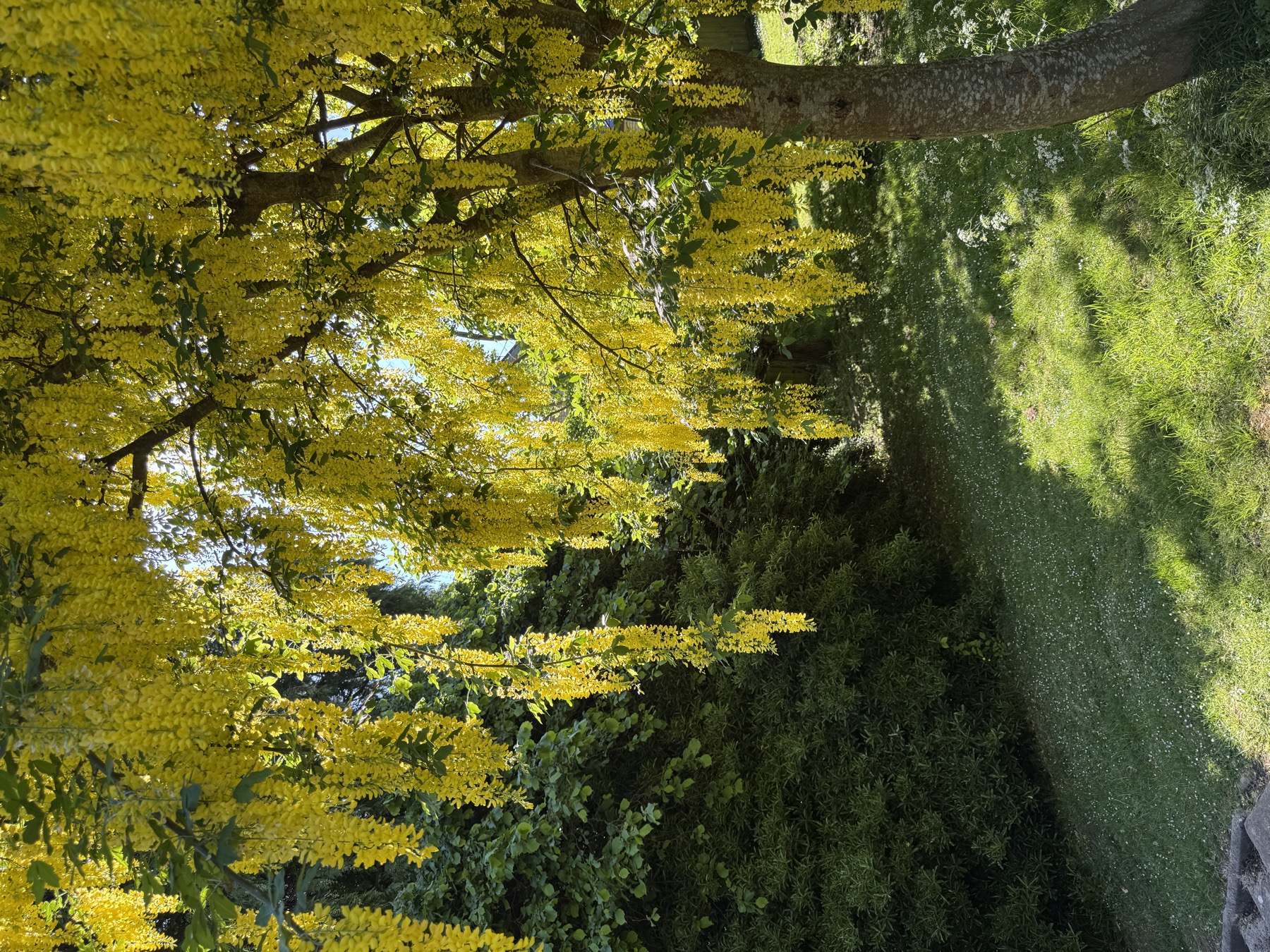
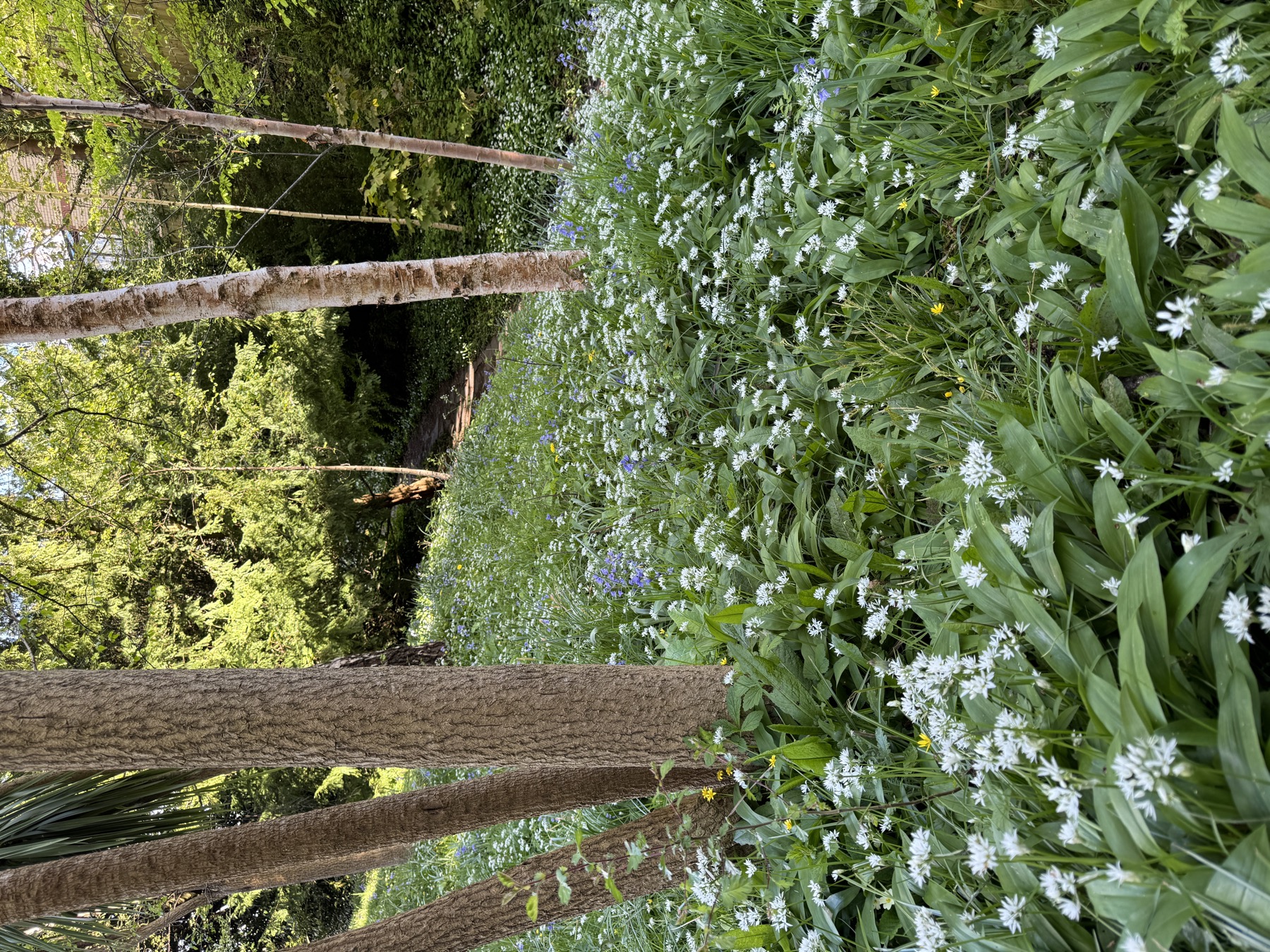
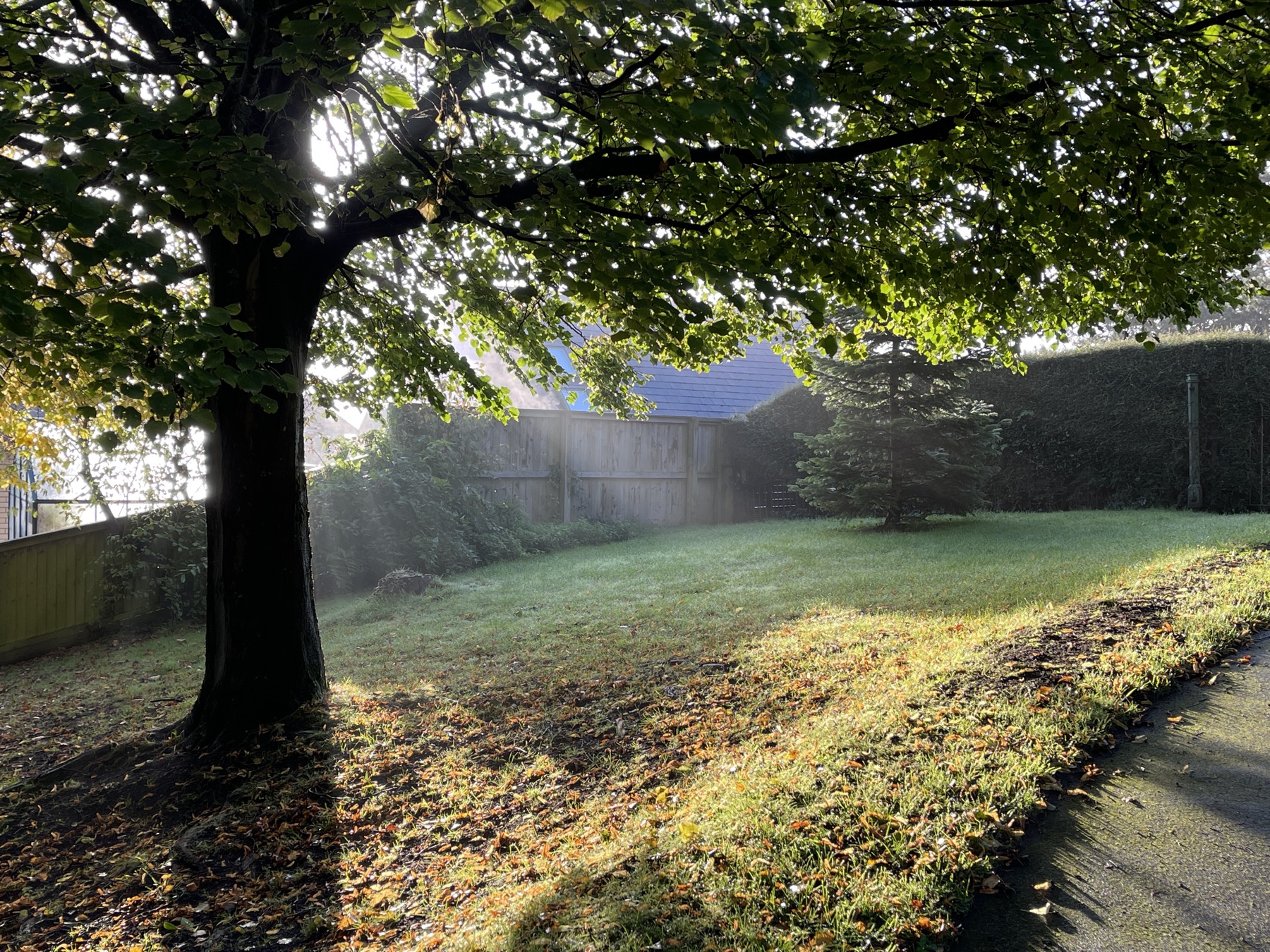
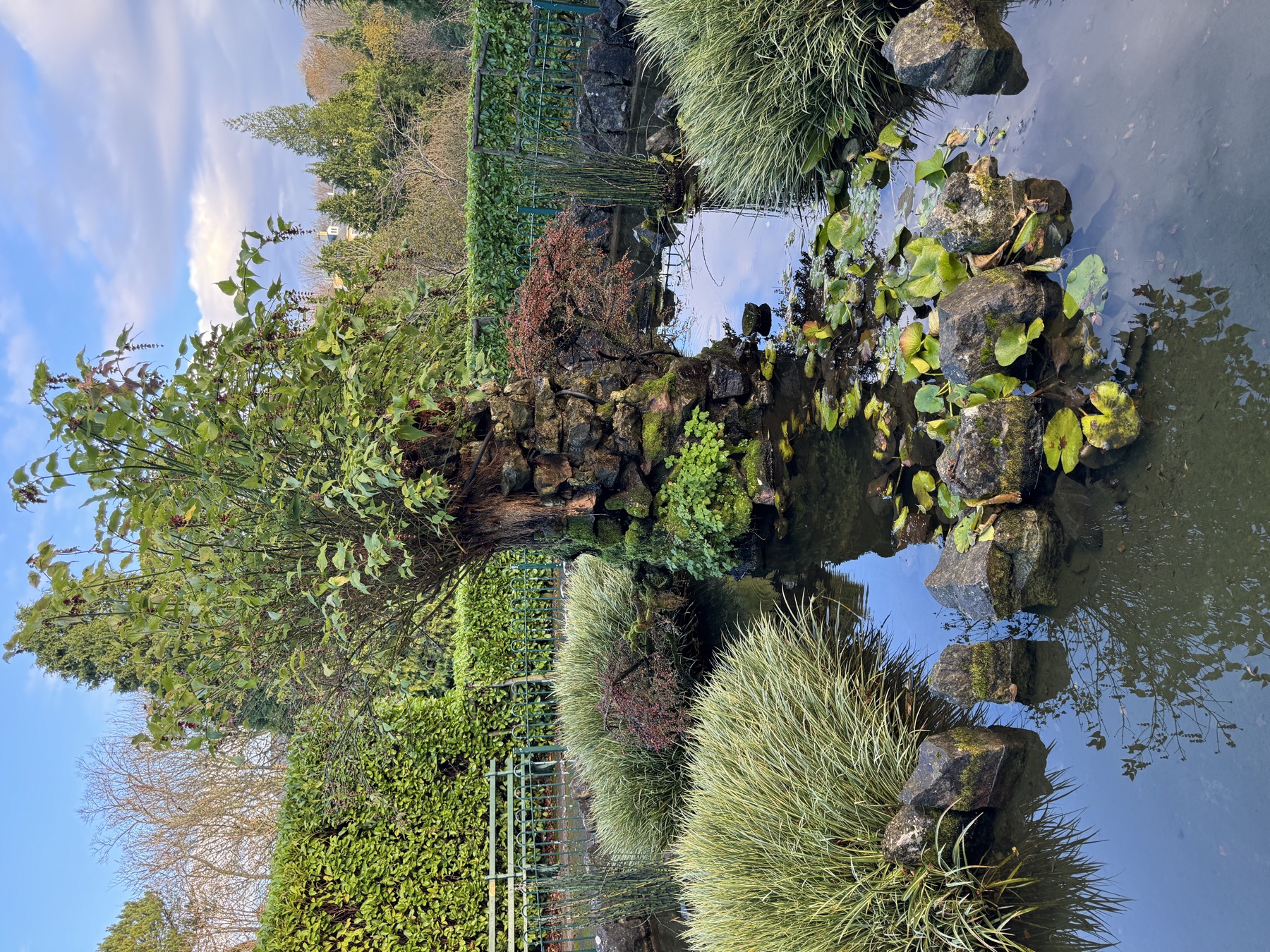
The pond is another good excuse to stop. There are fish, reflections, railings, stones, and the usual small negotiations of water and plants. It is the sort of place where you can mean to take one reference photo and somehow take twenty-three. If you do not want to sit on the stones, there is almost always a bench nearby. The park is quite civilised about human knees.
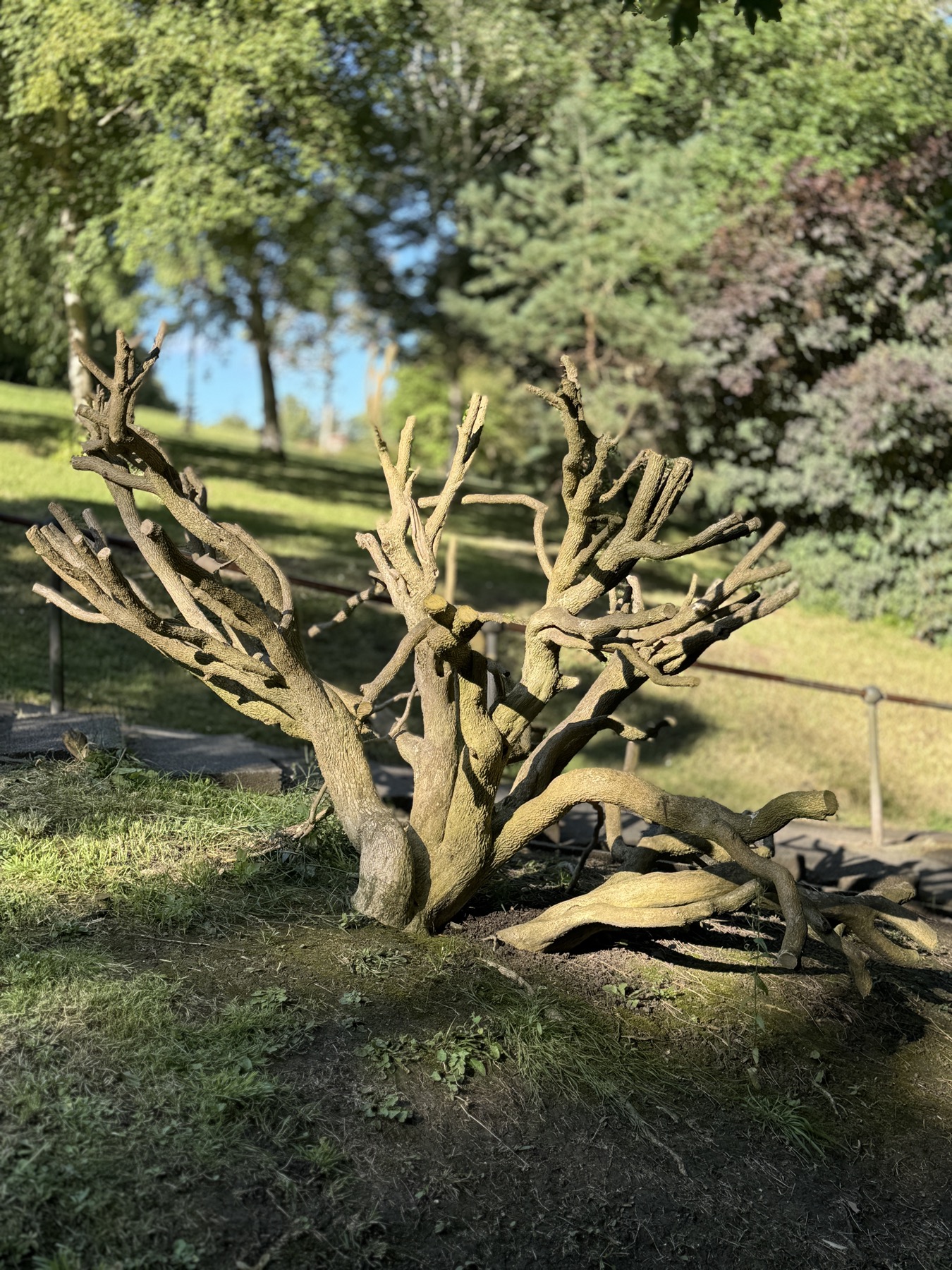
But the trees are the real subject for me. Flowers are lovely, obviously, and they know it. Trees are less eager to please. They have structure, weight, awkward elbows, scars, split branches, and bits that look impossible until you start drawing them. Then they are still impossible, but at least you have committed.
I notice tree shapes here more than I expected. In the country where I grew up, snow breaks branches all the time; trees are often interrupted, lopsided, repaired by weather. In Penarth, many of them seem to have had the luxury of growing into themselves. Not perfectly, of course. Trees are not furniture. But there is a kind of balance in them that still surprises me.
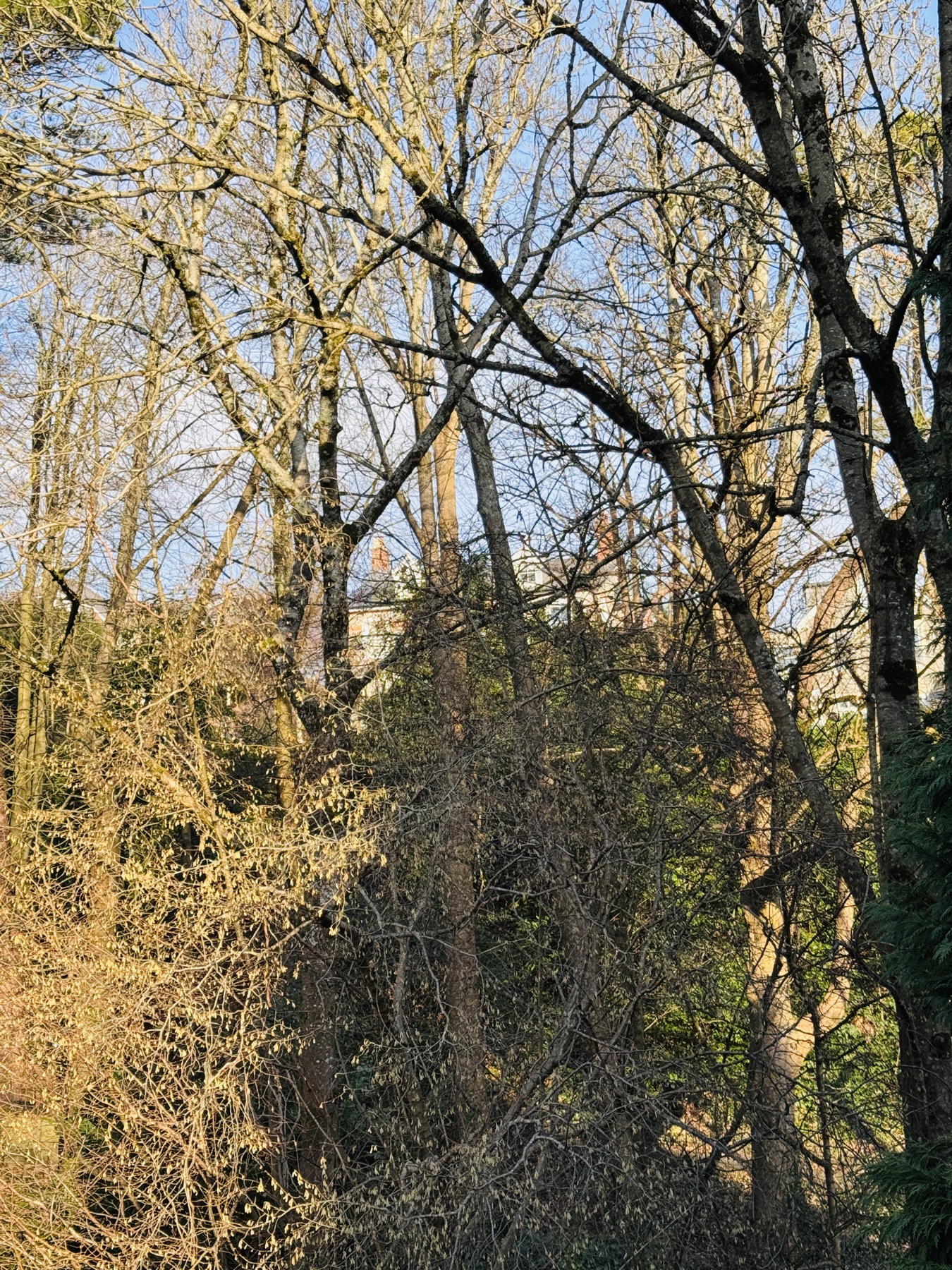
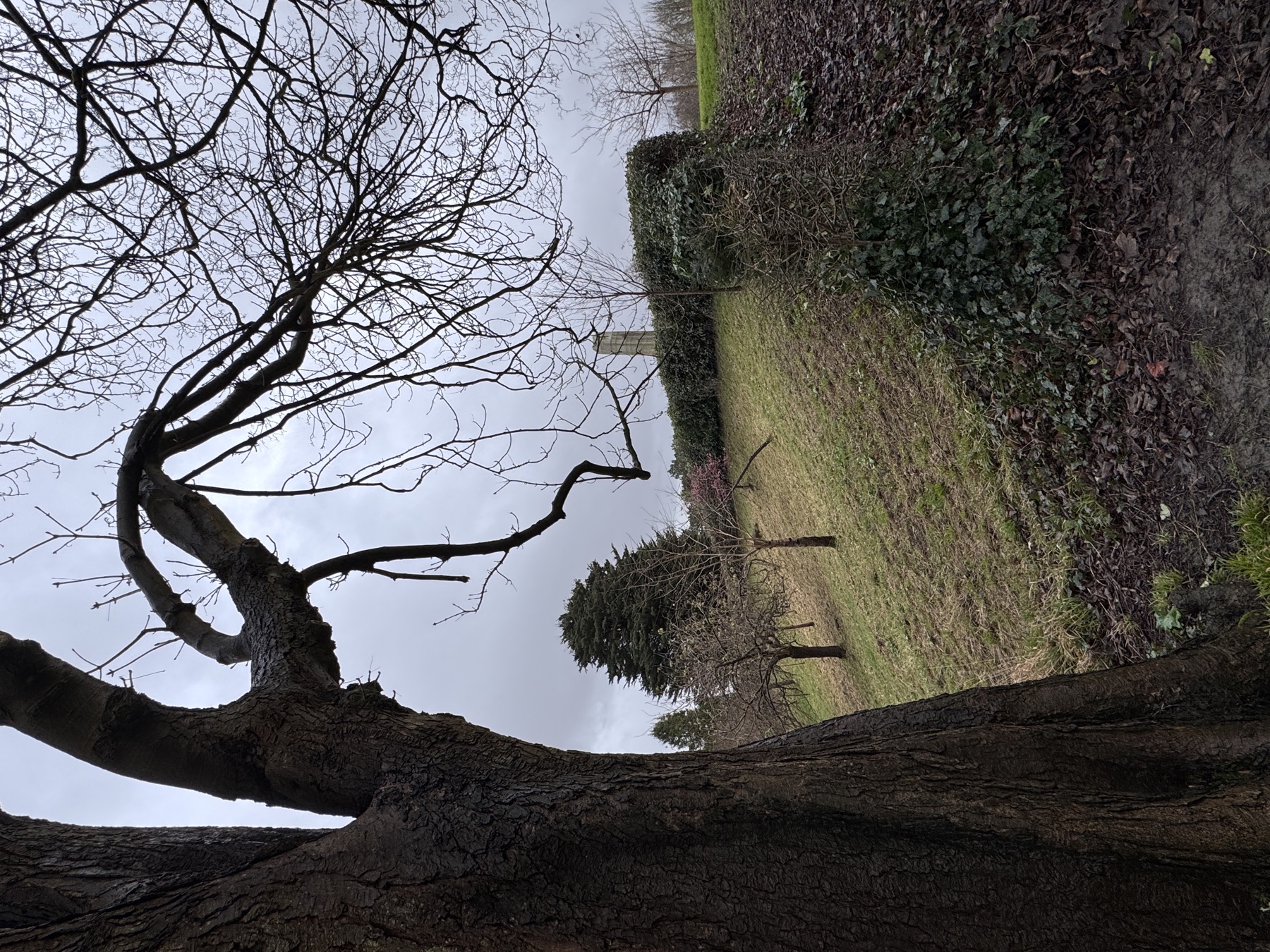
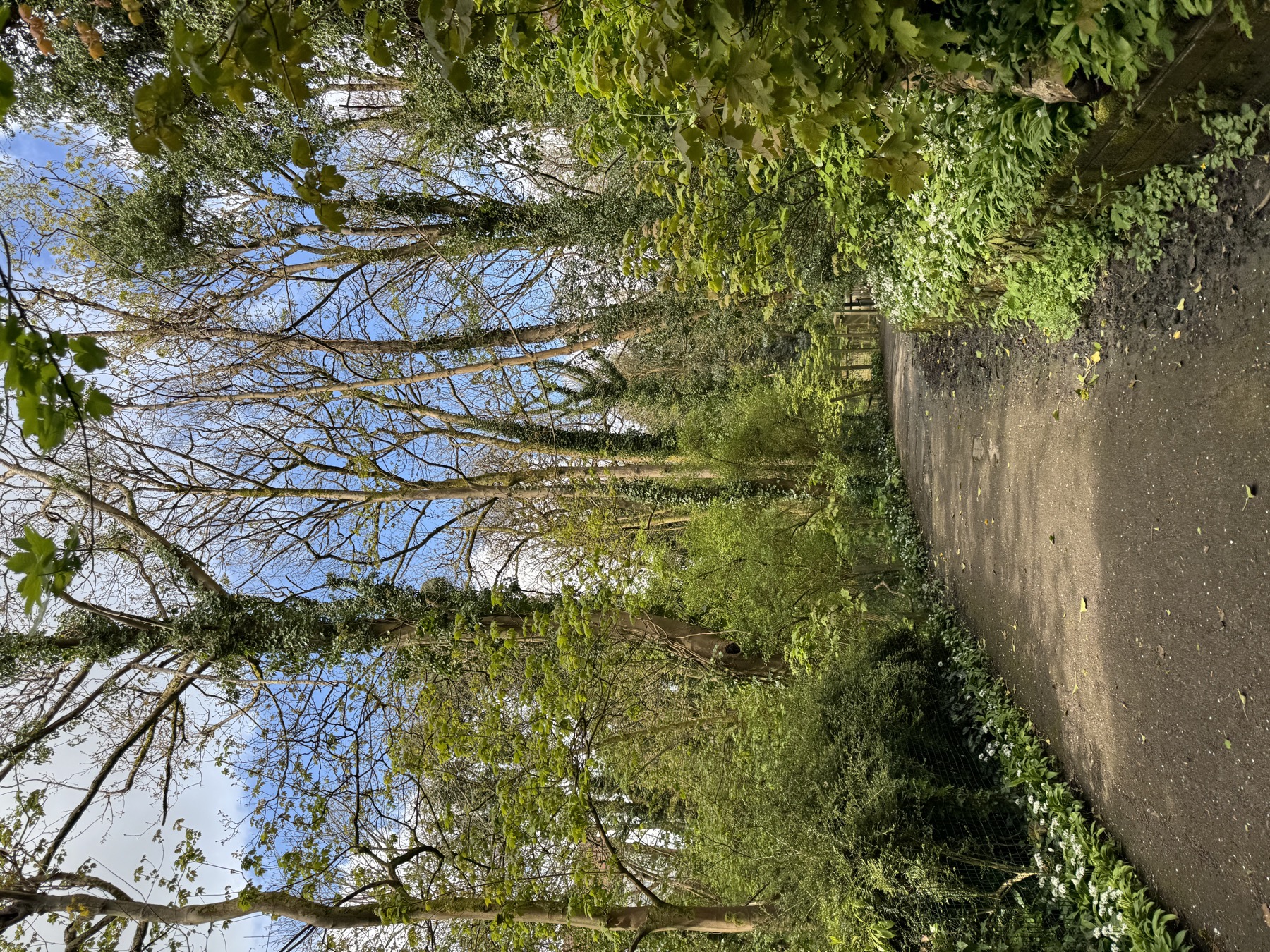
One side path climbs up from the railway station. There is a staircase first, so the park makes you work a little before it gives you the trees. That part feels less like a tidy park and more like a narrow strip of wild woodland attached to the side of Penarth by accident. We have drawn there a couple of times with Espresso Sketches Penarth, and it is exactly the kind of place where branches suddenly become more interesting than any sensible plan.
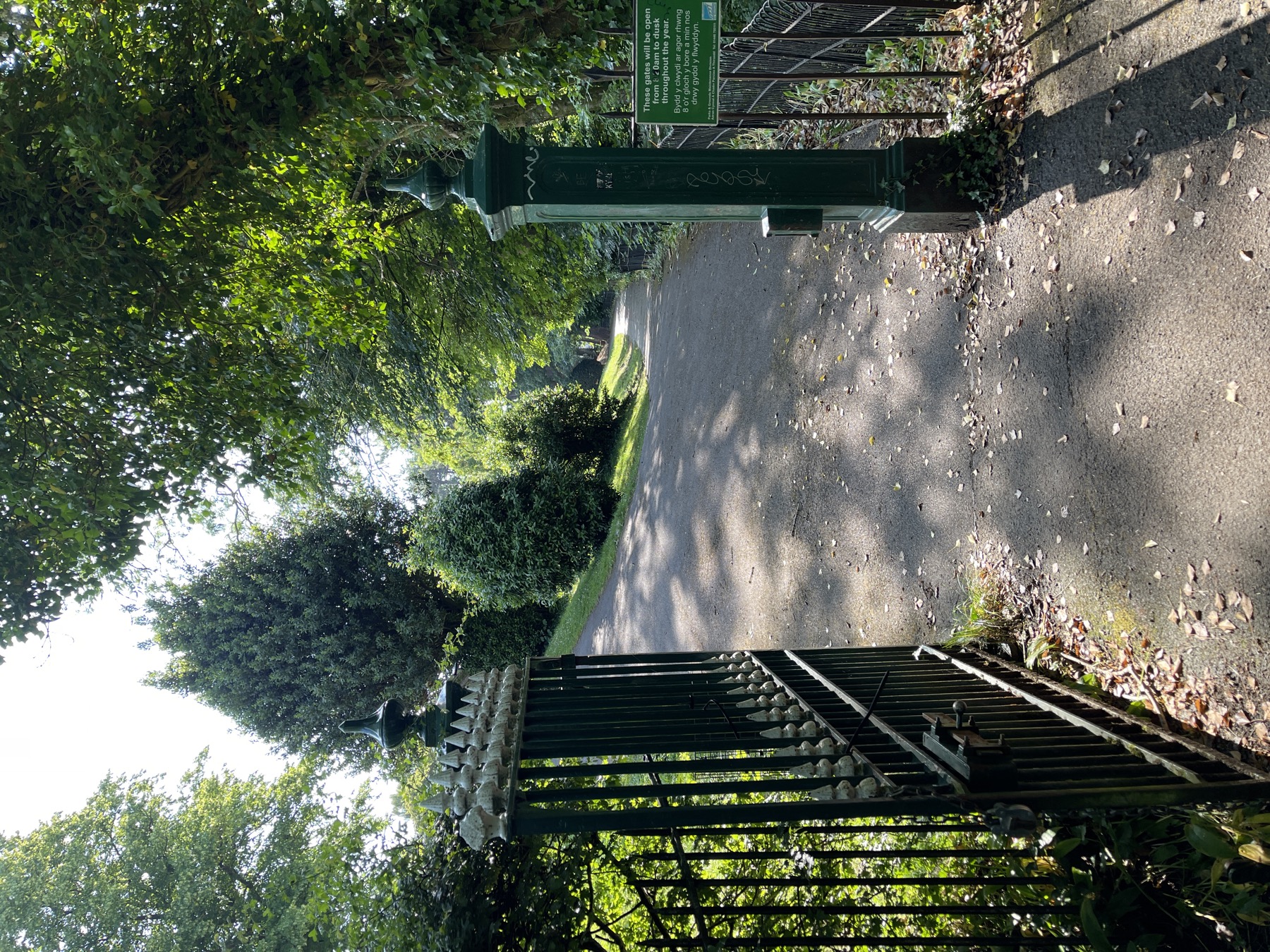
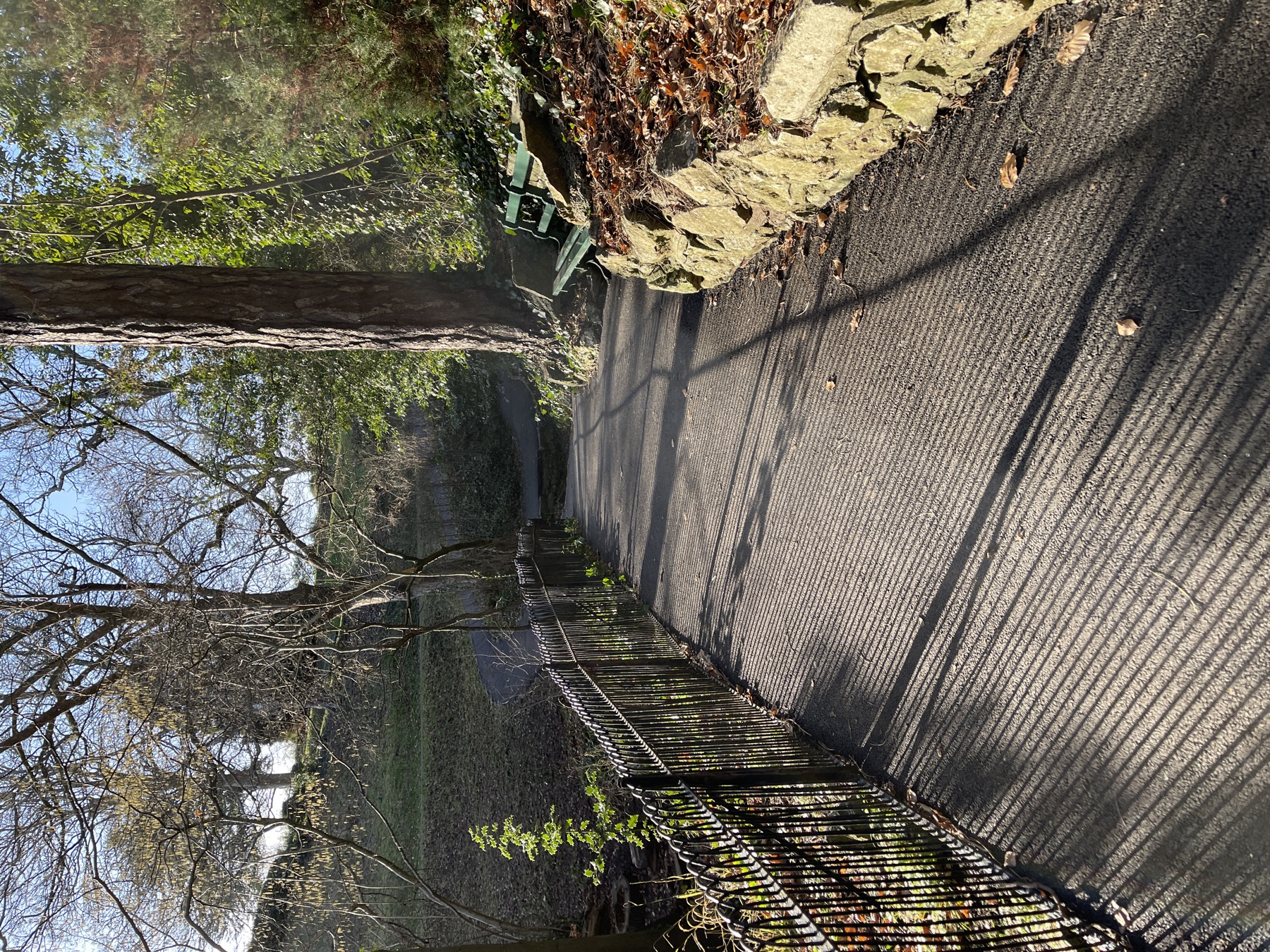
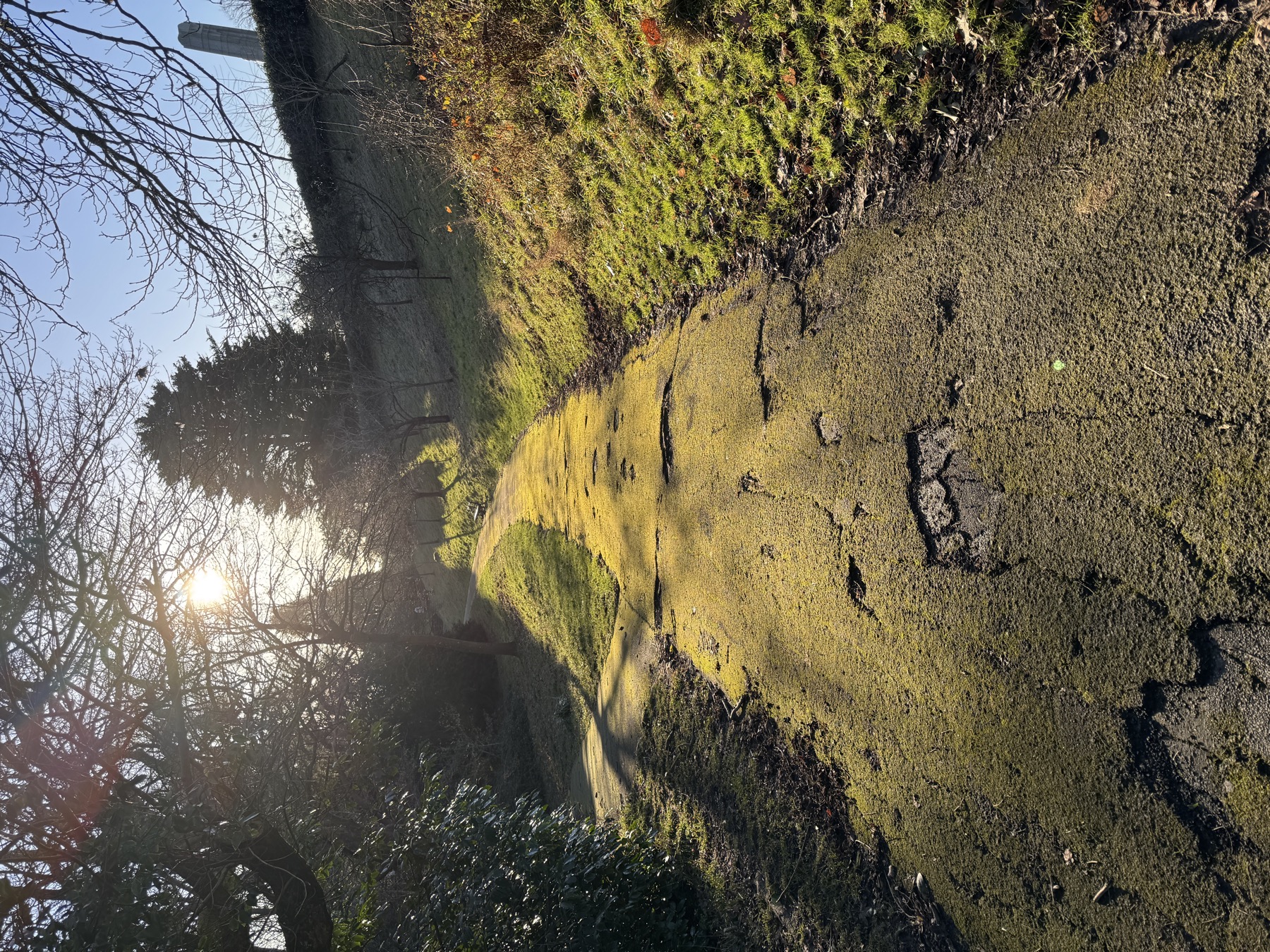
The bandstand has also had a few lives. The original octagonal bandstand was removed in the 1950s; a square wooden shelter lasted until 1994, when the present structure replaced it. This feels very Alexandra Park: nothing is entirely frozen in one era. Even the bandstand has revised itself.
The park still works as a small local meeting place too. There have been community coffees, occasional performances, charity events, and the kind of informal gatherings that make a park feel used rather than merely maintained. I like that. A park is better when people turn up with flasks, sketchbooks, errands, children, opinions, and possibly too many layers.
Some of these visits became quick park sketches. Nothing polished, just a way to understand the direction of a branch or the dark shape between two trunks.
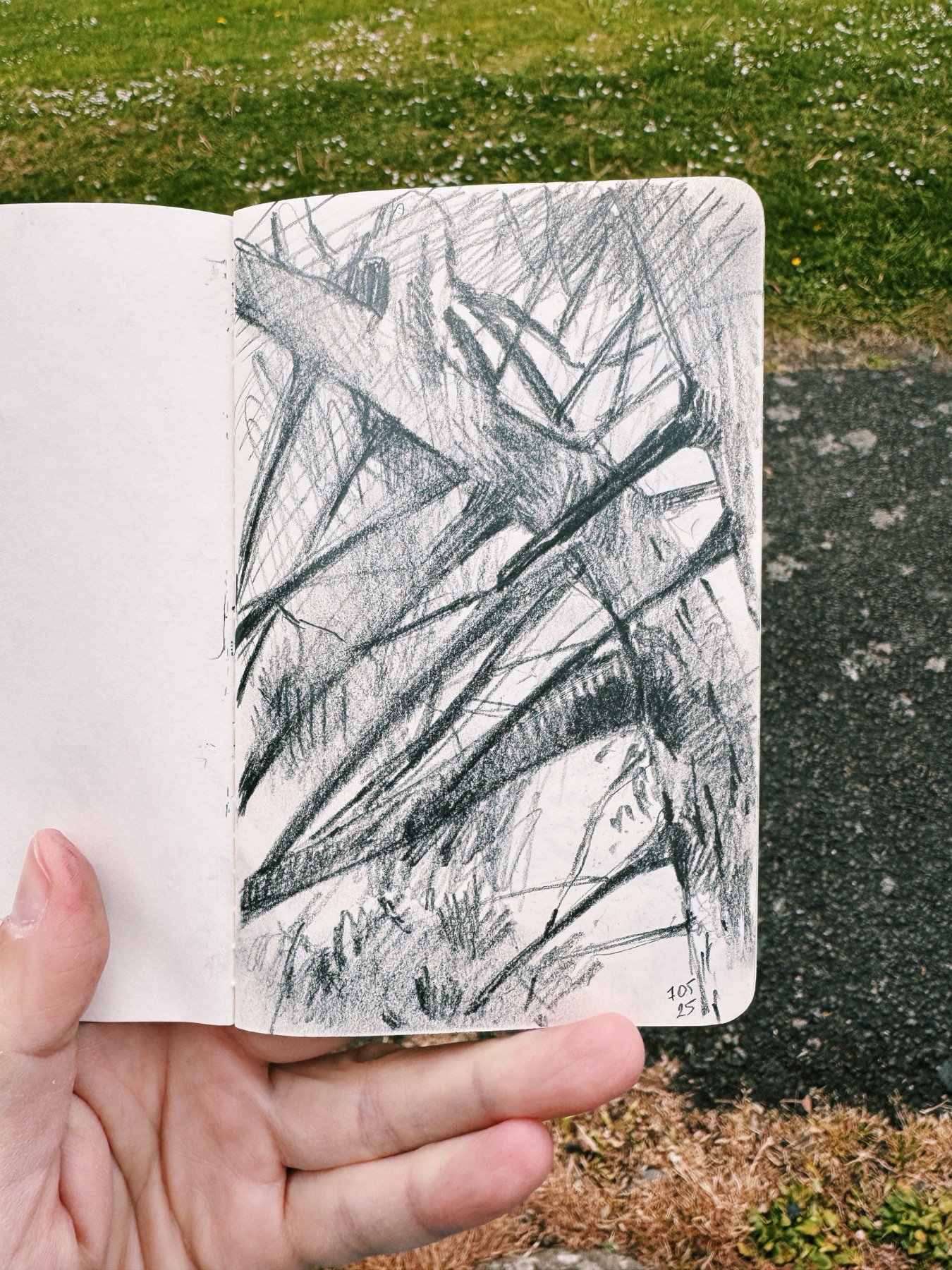
We have met in Alexandra Park several times with Espresso Sketches Penarth, drawing different corners of the park depending on weather, light, and how optimistic we felt about sitting outside. We still meet sometimes on Wednesdays; announcements go on Espresso Sketches Penarth on Instagram.
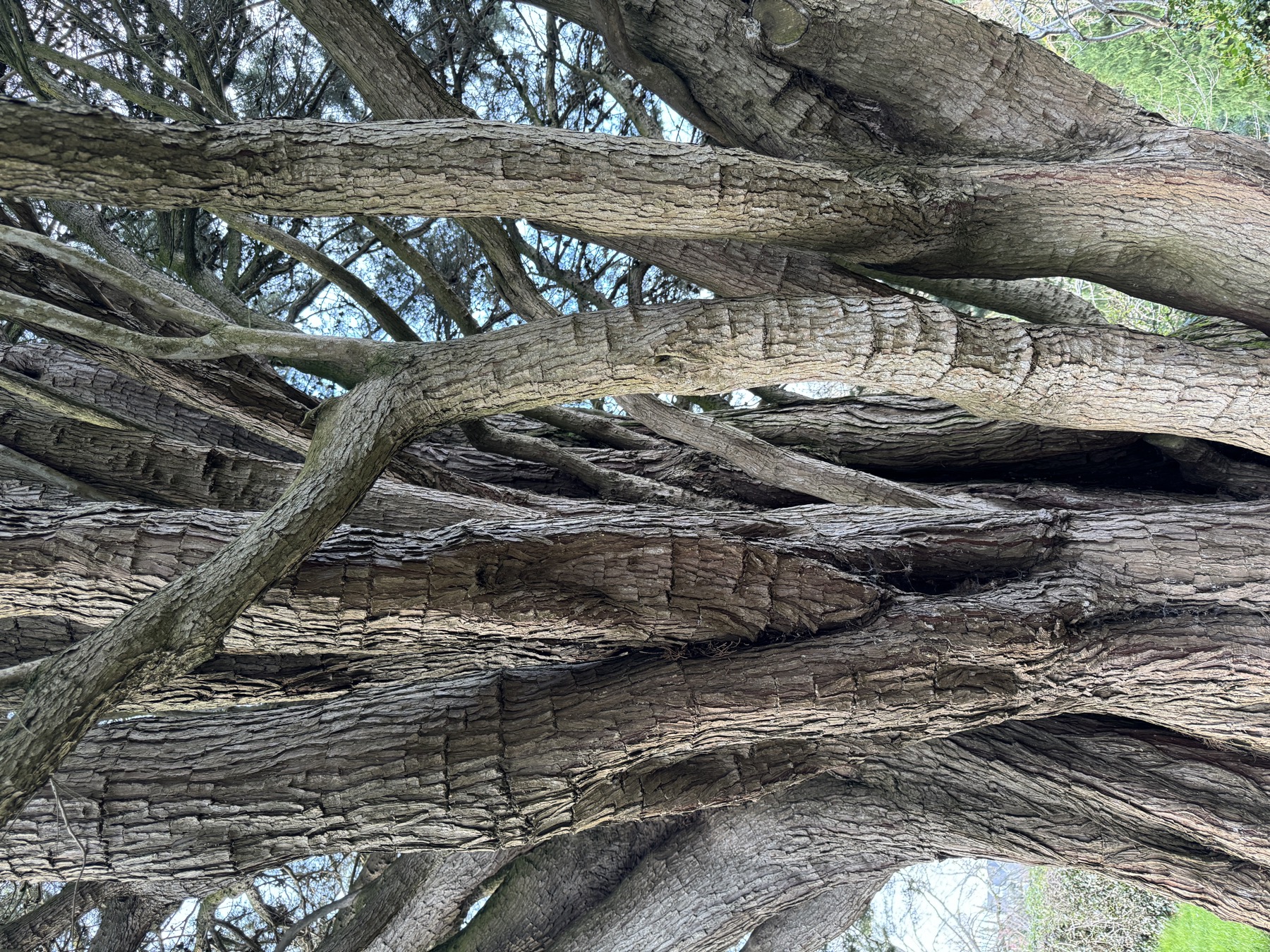
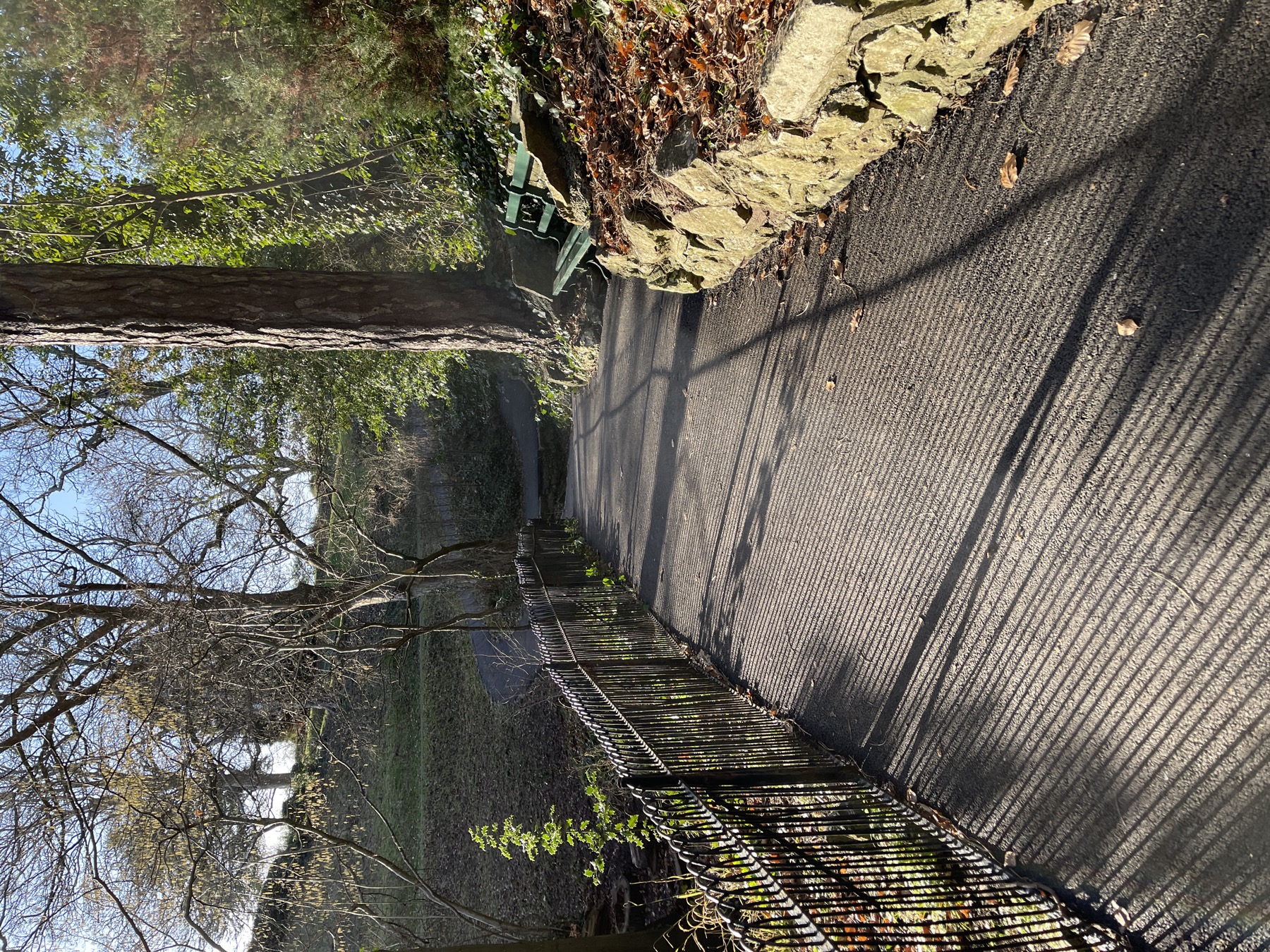
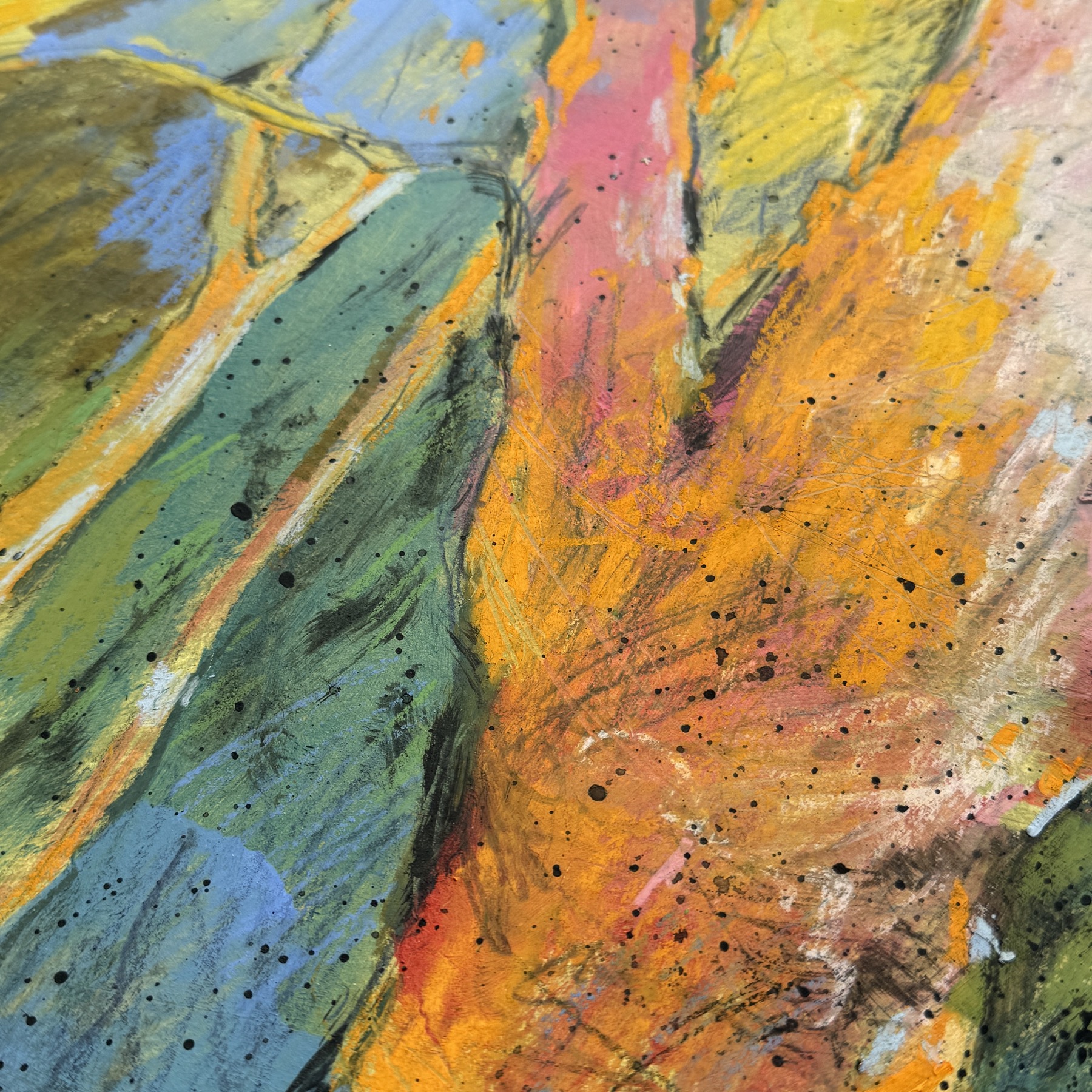
The finished pieces are not literal maps of the park. They are more like remembered routes: a bit of Welsh landscape drawing, a bit of tree study, a bit of colour that stayed in my head after the walk. The place gets rearranged in the work, but not invented from nothing. The slope, the bark, the dark gaps between trunks, the sudden yellow blossom: all of that came from looking.
 Alexandra Park Trees
View artwork
Alexandra Park Trees
View artwork
 Alexandra Park Tree
View artwork
Alexandra Park Tree
View artwork
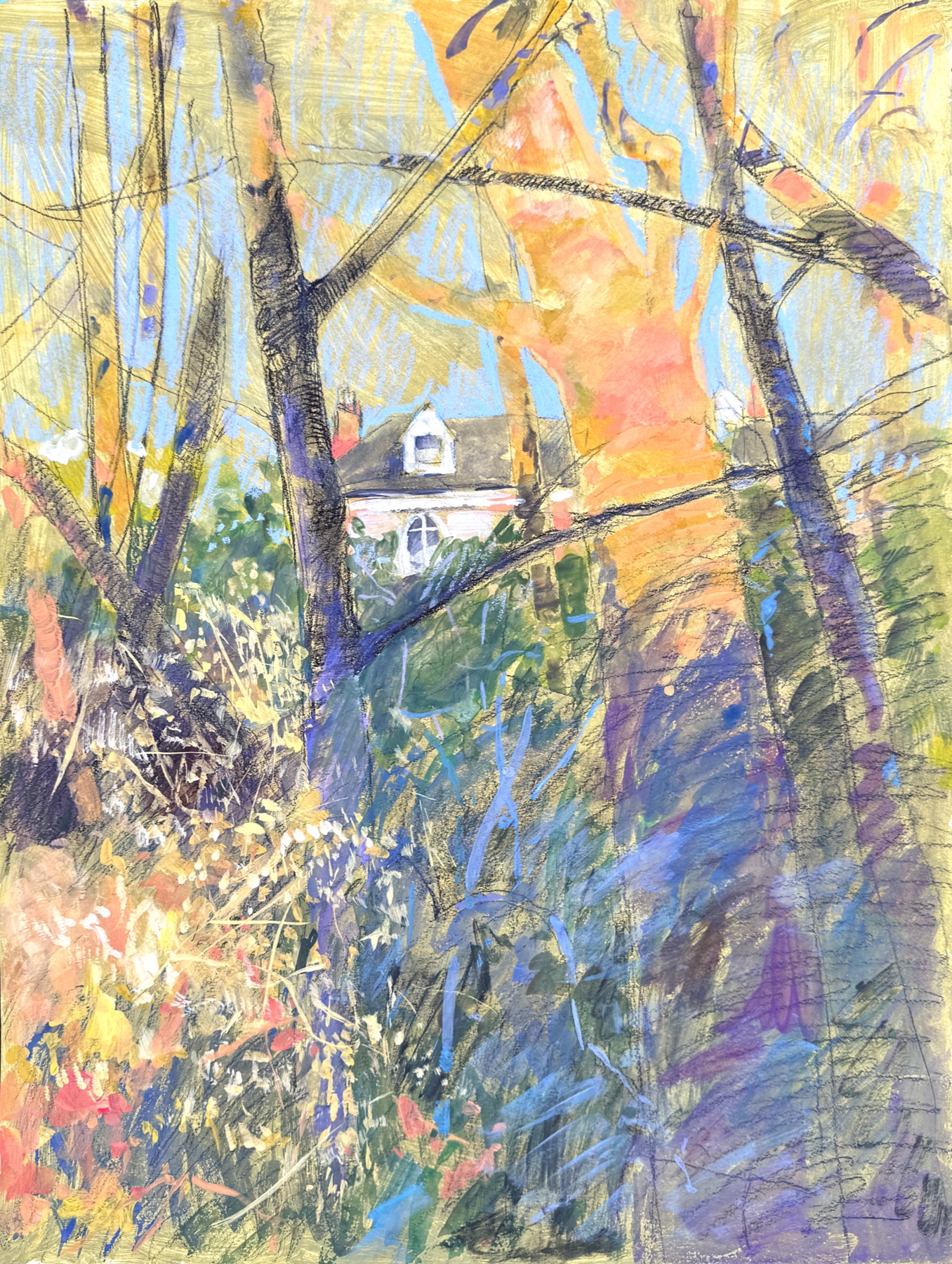
There is also this vertical drawing, with the little white house just visible between the trees. Alexandra Park does that quite well: shows you something, then immediately hides it behind branches.
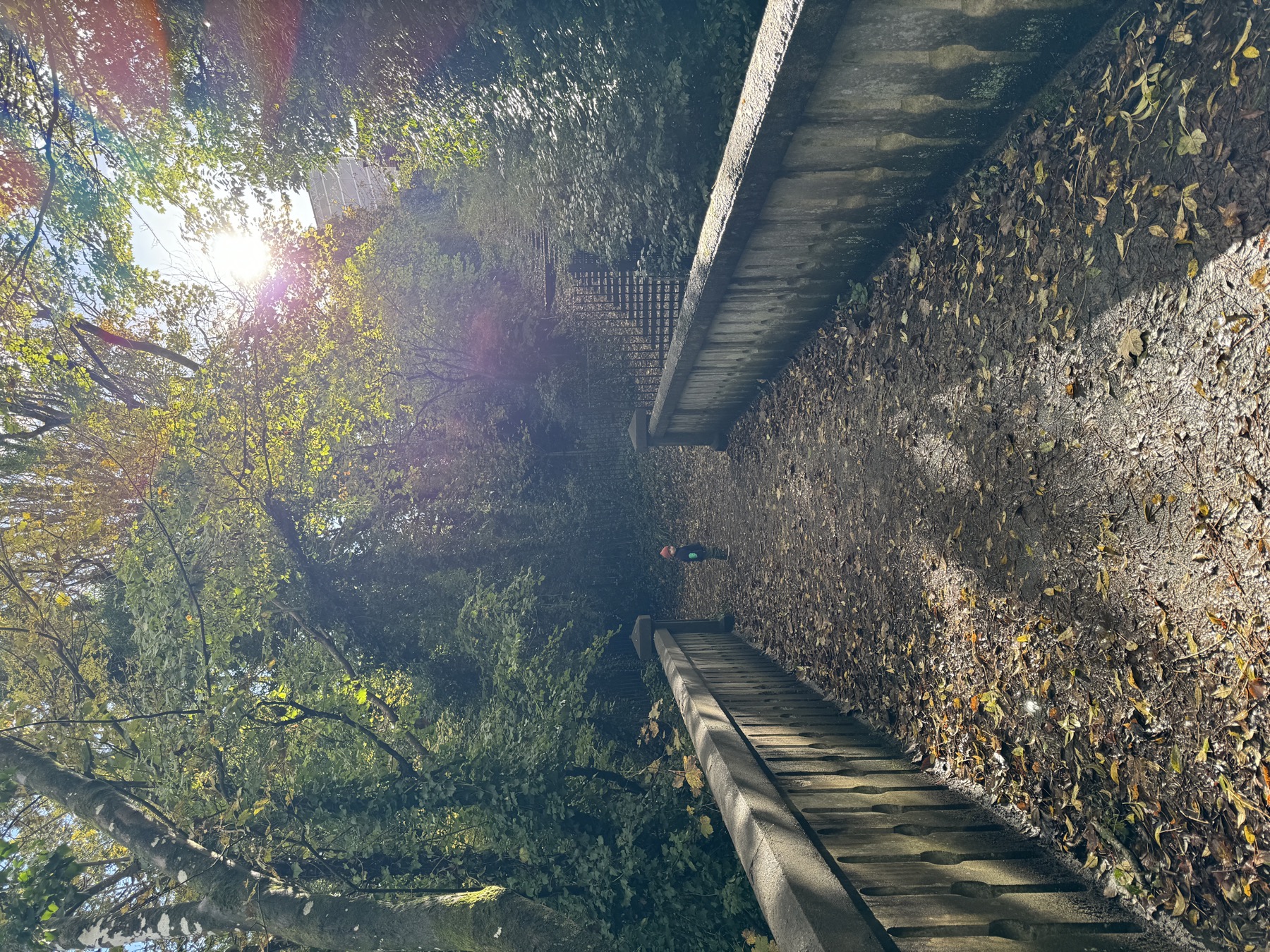
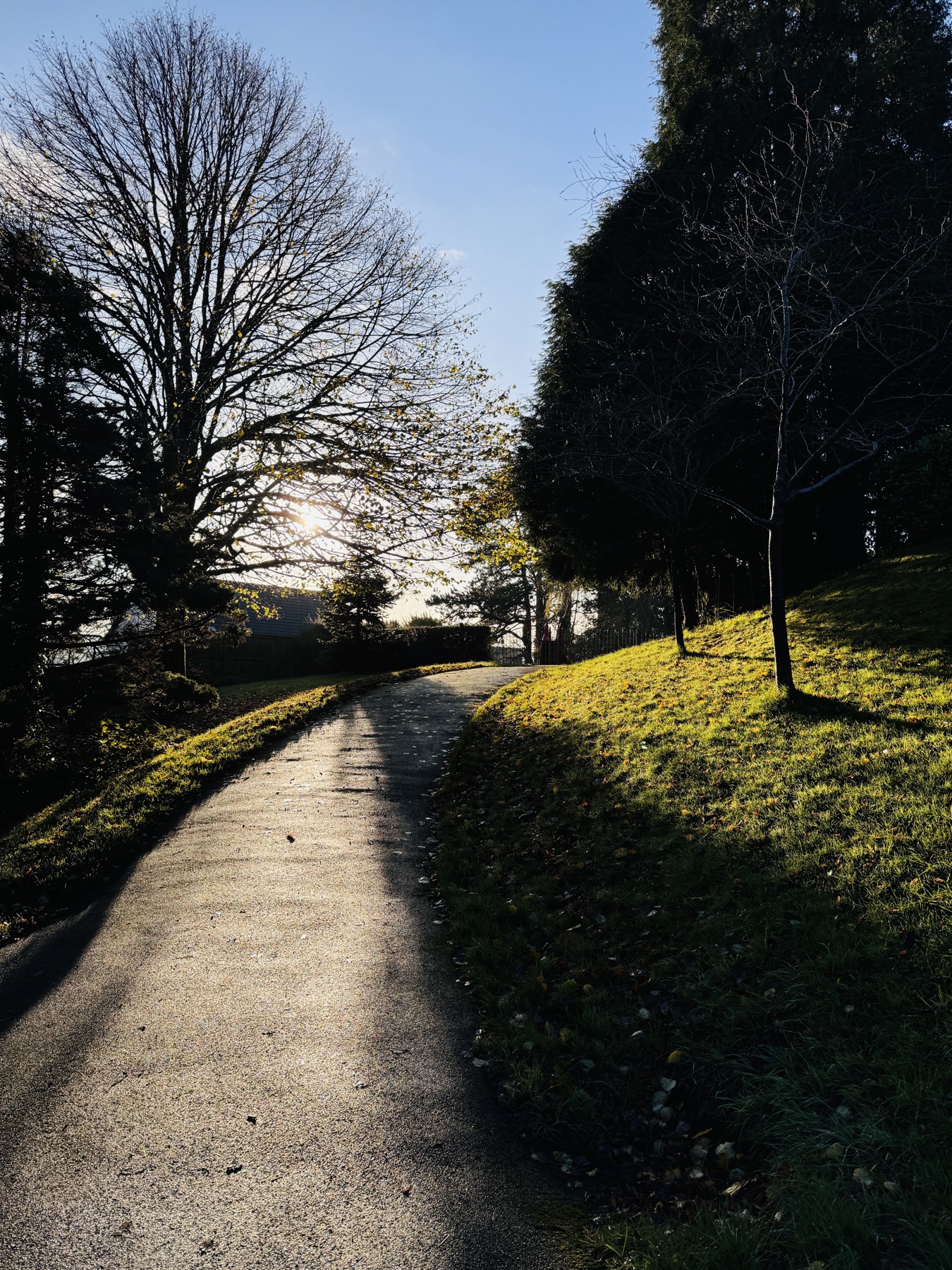
Alexandra Park is not dramatic in the grand landscape sense. It will never behave like a mountain or a cliff, which is probably why I keep drawing it. The same path in February, April, June, and November becomes four different subjects.
The paths, hedges, benches, damp leaves, pond, railings, blossom, and strange old trees are all close enough to look at properly. And that is usually where the interesting work starts: not with the grand view, but with the thing that makes you stop halfway up the hill and think, fine, yes, this branch again.
 Alexandra Park Path
View artwork
Alexandra Park Path
View artwork
Have you drawn in Alexandra Park too? I would love to see it. You can share your sketches or memories with me on Instagram.